News
 07/01/2026
Changes from July 1, 2026: What Every Accountant and Company Head Should Know
Published: June 30, 2026 · Author: TURANOS · Reading time: 7 minutes
From July 1, 2026, Uzbekistan is simultaneously implementing four major changes in payments, tax administration, and reporting. Some updates ease the burden on businesses, while others introduce stricter liabilities. We have summarized everything in one place: what is changing, who is affected, and what needs to be done to avoid fines.
In Short: What Changes from July 1, 2026
| № | Change | Who is Affected | Consequence |
|---|---|---|---|
| 1 | Single QR Code becomes mandatory | All legal entities in retail and services | Fine of 5 million UZS if missing |
| 2 | Abolition of resubmitting reports via "Autocameral" | All taxpayers | Less paperwork |
| 3 | 6 months of free reporting from "Soliq-servis" | New companies | Savings at business launch |
| 4 | Return of VAT payers to district/city tax inspectorates | VAT payers (except large ones) | Change of tax office assignment |
1. Single QR Code: Mandatory, or a 5 Million UZS Fine
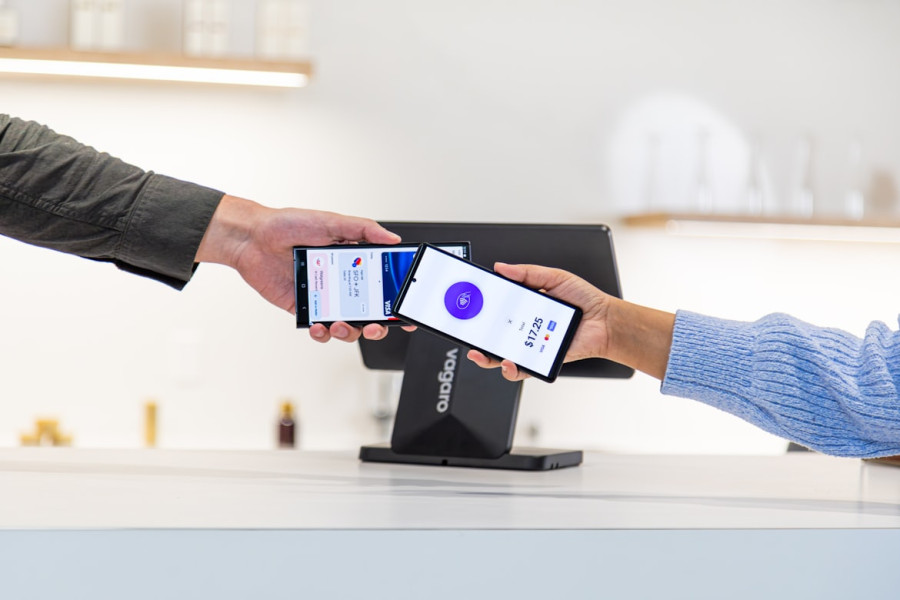
This is perhaps the most noticeable change for retail and consumer services. The Resolution of the Central Bank Board, registered by the Ministry of Justice on April 16, 2026, pursuant to Presidential Decree No. PF-246 dated December 10, 2025, introduced a unified procedure for accepting QR code payments.
The concept is simple: instead of separate QR codes for each payment application, a single universal bank-generated QR code is introduced. Customers will be able to complete purchases through the mobile app of any bank or payment organization without being locked into a specific service provider.
Starting January 1, 2026, all companies were expected to begin generating the single QR code through their banks. A voluntary transition period remained in place until July 1. From July 1, 2026, using the single QR code becomes strictly mandatory for all legal entities operating in trade and services, moving away from the voluntary regime to strict administrative responsibility.
Risks of Not Having the QR Code
- The absence of the "Special QR Code" is legally equated to operating without a cash register or terminal.
- According to Part 1 of Article 221 of the Tax Code, a fine of 5 million UZS applies.
- Using someone else's QR code that is not registered under your entity carries a harsher fine of up to 20 million UZS.
Recommendation: If your company has not yet generated a single QR code through your servicing bank, do so as soon as possible. The process takes a single bank visit or can be arranged online via internet banking.
2. "Autocameral": No More Resubmitting Reports for Discrepancies
Presidential Decree No. PF-95 dated May 19, 2026, "On Measures for Institutional Improvement of Tax Authorities' Activities," abolishes one of the most frustrating duties for accountants.
Previously, when the "Autocameral" automated system identified discrepancies in a taxpayer's records, filing amended tax returns or gathering supporting documents was required, regardless of how minor the difference was. From July 1, 2026, this obligation is rescinded.
Additionally, a more lenient risk management mechanism is introduced: taxpayers with a medium tax risk profile will receive a notification regarding the identified risks, and if the gaps are addressed within a month, no formal tax audit will be initiated.
What This Means in Practice
| Before (Until July 1) | After (From July 1) |
|---|---|
| Any discrepancy in "Autocameral" required mandatory report resubmission or supporting documents | The obligation to resubmit reports/supporting documents is eliminated |
| Audit risk with any detected discrepancy | For medium risk: a notice and one month to resolve without an audit |
3. New Companies: Six Months of Free Reporting via "Soliq-servis"
The same Decree No. PF-95 introduces a support measure for starting businesses: newly established business entities can voluntarily use the tax and financial reporting submission service through JSC "Soliq-servis" completely free of charge for their first 6 months of operation.
This relieves early-stage entrepreneurs of outsourcing accounting expenses during a highly sensitive cash flow period at launch, while also reducing the risk of technical compliance mistakes by new users of the system.
4. VAT Payers Return to District and City Tax Inspectorates
The fourth update targets tax administration structures. According to Paragraph 5 of Decree No. PF-95, tax administration, accounting, and control for VAT payers (excluding large taxpayers) will be re-transferred back to district (city) state tax inspectorates based on the company's registration place starting July 1, 2026.
For businesses, this implies a switch in the designated tax inspectorate office, newly assigned inspectors, and consequently, a need to update internal contact lists for fast operational communication.
Comparison: Before and After July 1, 2026
Until July 1
• QR Code — optional
• Report resubmission for discrepancies — mandatory
• Paid reporting services for new entities
• VAT administration — conducted at the inter-district level
From July 1
• QR Code is mandatory, 5 million UZS fine
• Report resubmission is abolished
• 6 months free via Soliq-servis
• Transferred back to district/city tax inspectorates
What to Do Right Now
- Check whether your company has generated a single QR code with your serving bank.
- If the company is recently incorporated, sign up for free reporting through Soliq-servis for the initial 6 months.
- Clarify which district or city inspectorate your company now belongs to as a VAT payer.
- Inform responsible employees that resubmitting amended reports for "Autocameral" is no longer mandatory, though medium-level risk monitoring remains active.
Material prepared based on the Decree of the President of the Republic of Uzbekistan No. PF-95 dated May 19, 2026, and the Rules for providing payment services via a single QR code approved by the Central Bank on April 16, 2026. Source: lex.uz.